
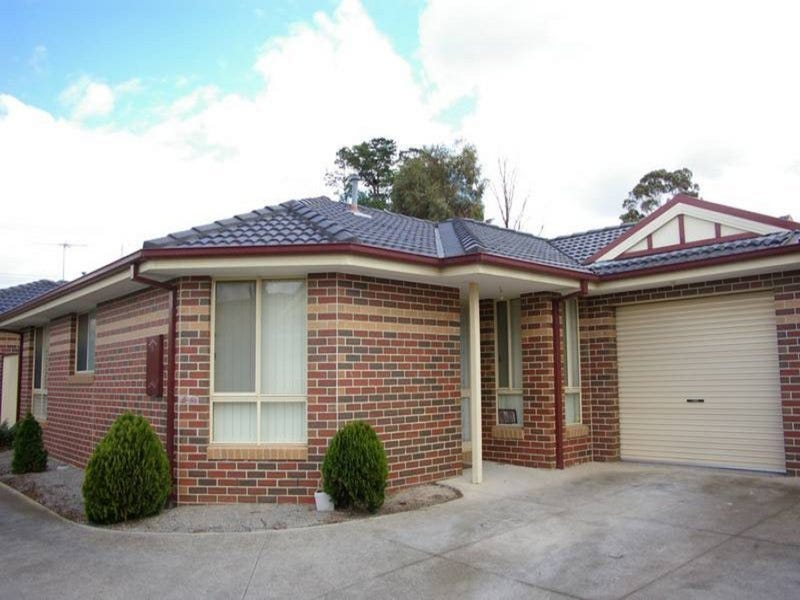
In 2026, the Australian rental market has reached a definitive tipping point. As battery electric vehicle (EV) sales surged to a 12.2% market share in early 2026, the criteria for a “premium” rental property have fundamentally shifted. For modern tenants, a home is no longer just a shelter; it is a critical piece of infrastructure that dictates their daily cost of living.
The “EV-Ready” premium is the measurable increase in rental yield and property desirability directly linked to energy-efficient upgrades. With real estate portals now featuring mandatory energy rating disclosures and “EV Charging” filters, landlords who ignore these sustainable real estate trends in 2026 risk significant vacancy periods and yield compression.
See more: How to Build a Property Portfolio in Australia from Scratch
What is an “EV-Ready” Investment Property?
An EV-ready investment property is a residential or commercial asset equipped with the necessary electrical infrastructure to support Level 2 (AC) electric vehicle charging. In 2026, this typically means the property has:
- Dedicated Circuitry: A 32-amp circuit wired directly to the garage or carport.
- Smart Charger Hardware: A wall-mounted unit (e.g., Tesla Wall Connector or Ocular LTE) capable of delivering 7kW to 22kW.
- Solar Integration: The ability to divert excess rooftop solar generation directly into the vehicle’s battery.
The Shift from Luxury to Necessity
Only two years ago, EV chargers were viewed as niche additions for luxury homes. Today, they are “must-have” filters on major Australian real estate platforms. Tenants are actively seeking EV charging investment properties to avoid the rising costs and inconvenience of public charging networks.
Why Energy Efficiency Drives Rental Value in 2026
The correlation between sustainability and rental income is no longer theoretical. Data from the Nationwide House Energy Rating Scheme (NatHERS) expansion in mid-2026 shows that homes with high energy ratings command a significant price gap over their inefficient counterparts.
1. The Solar Panel Rental Increase
Recent Australian studies indicate that renters are willing to pay an average of $19 to $25 more per week for homes with solar panels. This solar panel rental increase is driven by the tenant’s ability to offset peak electricity rates, which remain a primary concern for Australian households.
2. Reduced “Total Cost of Living”
In 2026, savvy tenants calculate their “Net Rent”—the base rent plus projected utility and transport fuel costs.
- Traditional Home: $650 rent + $60 fuel + $50 electricity = $760/week.
- EV-Ready/Solar Home: $690 rent + $10 EV charging + $15 electricity = $715/week.
Even with a higher base rent, the energy-efficient home is the more economical choice, allowing landlords to capture a portion of the tenant’s savings as increased yield.
Quantifying the ROI: Costs vs. Yield Gains
For Australian investors, the financial case for retrofitting is bolstered by tax incentives and immediate rental uplifts.
| Upgrade Type | Estimated Cost (2026) | Potential Rent Increase | Est. Payback Period |
| 7kW EV Charger (Basic) | $1,500 – $2,200 | $10 – $15 / week | 2.5 – 3 years |
| 6.6kW Solar System | $5,000 – $6,500 | $20 – $30 / week | 4 – 5 years |
| Full “EV-Ready” Suite | $7,000 – $9,000 | $40 – $55 / week | 3.5 years |
Strategic Note: Installations completed before the end of the financial year may qualify for capital works deductions or immediate small business write-offs, depending on your tax structure.
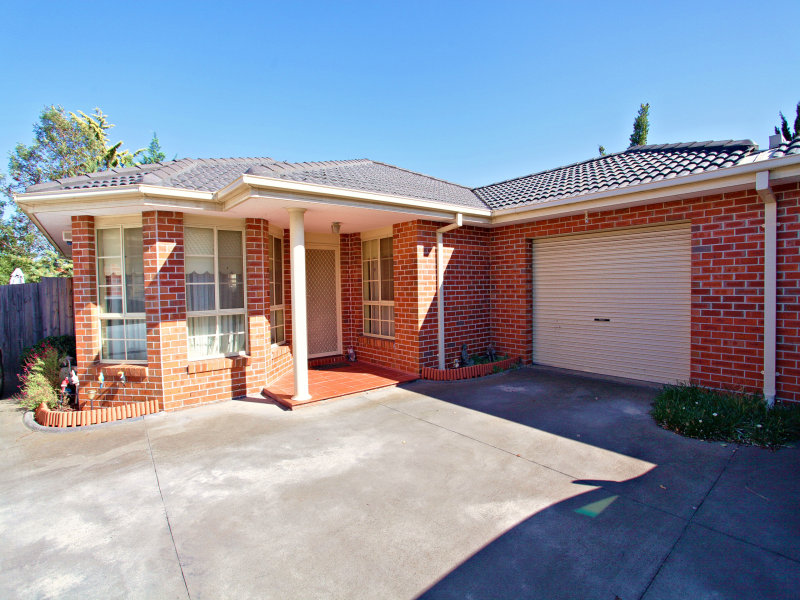
How to Make Your Rental Property “EV-Ready”
Transitioning a standard investment property into a high-yield green asset requires a structured approach.
Step 1: Switchboard Audit
Before installing a charger, a licensed electrician must verify if your switchboard can handle the additional 32-amp load. Many pre-1990 Australian homes require a switchboard upgrade (approx. $800–$1,500) to meet modern safety standards (AS/NZS 3000).
Step 2: Selecting the Right Hardware
For a rental, durability and “universal” compatibility are key.
- Tethered vs. Untethered: A “Type 2” socket (untethered) is often preferred for rentals as it allows any tenant with any cable to plug in.
- Smart Features: Choose a charger with Wi-Fi connectivity so tenants can track their usage or schedule charging during off-peak windows.
Step 3: Marketing the “Green Lease”
Ensure your property manager highlights the energy efficiency features in the listing title. Use phrases like “Save $2,000+ per year on fuel and power” to catch the eye of cost-conscious applicants.
Best Practices for Sustainable Real Estate Investors
To maximize long-term rankings and property value, follow these industry-standard practices:
- Obtain a NatHERS Rating: From mid-2026, voluntary (and moving toward mandatory) energy disclosures are becoming standard. A 7-star rating is the new gold standard for attracting high-quality tenants.
- Future-Proof the Wiring: If you aren’t ready for a full charger, install the conduit and dedicated circuit during other renovations to save 60% on future installation labor.
- Monitor State Rebates: States like NSW and Victoria frequently update incentives for battery storage and EV infrastructure.
Common Mistakes to Avoid
- Installing Level 1 Chargers: Standard power points (Level 1) take 24+ hours to charge an EV. This does not provide a “value premium” in 2026.
- Ignoring Strata Bylaws: If your investment is an apartment, ensure you have written approval from the Owners Corporation before commencing works.
- Cheap Solar Components: Low-quality inverters often fail within 3 years. For a rental, prioritize “Tier 1” panels with a 25-year performance warranty to minimize maintenance headaches.
FAQ: Energy Efficiency in Australian Real Estate
Does an EV charger really increase property value?
Yes. In 2026, EV infrastructure is viewed similarly to a garage or air conditioning. Data shows properties with installed chargers sell faster and attract a broader pool of buyers, particularly in metropolitan hubs like Sydney and Melbourne.
Can I increase the rent immediately after installing solar?
Generally, rent increases must comply with your state’s residential tenancies act (usually once every 12 months). However, many landlords negotiate a rent adjustment mid-lease if the tenant agrees that the energy savings outweigh the increase.
What is the best EV charger for a rental property?
A universal Level 2 (7kW) smart charger is recommended. Brands like Zappi or Ocular are popular in Australia for their solar-matching capabilities and robust build quality.
Is energy efficiency mandatory for rentals in 2026?
While not nationally mandatory yet, several states have introduced minimum energy efficiency standards regarding insulation and heating. Mandatory disclosure of energy ratings at the point of lease is the current trend across Australia.
Conclusion: The Future of Australian Property
The “EV-Ready” premium is a clear indicator of where the Australian real estate market is heading. As we navigate sustainable real estate trends in 2026, the most successful investors will be those who view energy efficiency not as a cost, but as a strategic value driver. By investing in EV charging for investment properties and capitalizing on the solar panel rental increase, you future-proof your portfolio against rising vacancy and declining relevance.
Would you like me to draft a high-converting property listing description for an EV-ready rental?
Internal Linking Suggestions:
- Maximize your rental yield with green tax incentives.
- The complete guide to NatHERS ratings for Australian landlords.
External References:
- Refer to the Australian Energy Regulator (AER) for the latest on residential electricity tariffs.
- Consult the Electric Vehicle Council of Australia for up-to-date sales data and infrastructure standards.
