

Arranging Formply sounds simple. Pick a sheet size, place an order, job done. But on Australian sites, little details decide whether the material arrives flat, fits the structural spec, and actually looks presentable once painted.
This guide covers the practical checks that matter. The stuff that stops expensive reorders. And yes, it is aimed at Australian conditions, Australian suppliers, and the way jobs typically run here.
What is the sheet actually being used for?
They should lock in the end use first, because the right Formply for a slab edge is not always the right Formply for internal stair formwork or a feature pour.
If the finish matters, they need to say so upfront. If it is just temporary shuttering, they can usually prioritise structural grade and price over appearance. Purpose drives thickness, finish class, and how picky they need to be on face defects.
What thickness and sheet size will reduce waste on site?
They should start with the formwork design and work backwards, not guess. Standard sheet sizes are common across Australia, but cutting plans vary wildly by crew and project.
If they are trying to reduce joins, they may choose larger sheets where handling allows it. If access is tight, smaller sheets might save time and prevent damage. One awkward carry through a Melbourne townhouse corridor can ruin a face in seconds.
Does the product meet the right Australian Standard and grading?
They should ask for compliance details in writing, especially for structural work. In Australia, plywood is commonly supplied under AS/NZS 2269, and they should confirm the panel is fit for formwork use.
With Formply, the stamp and the paperwork matter. If the supplier cannot clearly explain grade, bond type, and intended application, they are buying risk. Cheap sheets that delaminate after a wet week cost more than better stock.
What film face and surface quality is needed for the concrete finish?
They should decide how the concrete needs to look. A smooth film face generally gives a cleaner finish, but only if it is handled carefully and release agents are used correctly.
If they are using Formply for architectural concrete, they should ask about face class, patching, and visible joints. It is also worth checking if both faces are film faced, because some panels have one good side and one utility side.
How many reuses should they realistically expect?
They should be honest about site conditions. In Brisbane’s humidity or coastal NSW, reusability drops if sheets are stored poorly or edges are left unsealed.
Good Formply can be reused many times, but only with proper cleaning, correct stripping, and careful stacking. If the crew is rough on equipment, it may be smarter to buy for fewer cycles and budget accordingly, rather than assume the best case.
Are the edges sealed and what should they do if they are not?
They should check edge sealing before it arrives on site. Edge sealing reduces water ingress and helps prevent ply swelling, which can telegraph into the pour line and ruin the finish.
If their Formply arrives with minimal sealing, they should plan to reseal cut edges immediately. A quick coat of approved edge paint is a small step that avoids big headaches, especially during wet periods in Sydney or Hobart.
What is the lead time and can the supplier deliver to their schedule?
They should ask for a realistic dispatch date, not just a hopeful estimate. Stock levels shift quickly when big projects ramp up, particularly around Perth and Adelaide where supply can tighten without much warning.
When arranging Formply, they should also confirm delivery windows, unloading requirements, and whether the supplier charges for timed deliveries. A missed slot can stall a pour, and that is never a cheap delay.
How will the sheets be transported and protected in Australian weather?
They should confirm how the pack will be wrapped and whether it will stay covered during transport. Rain on an open truck, then a few hours sitting exposed on site, is enough to start edge swelling.
With Formply, protection is part of the product. They should ask if packs are strapped, corner protected, and palletised. If deliveries are going to regional areas, like the Hunter Valley or Geelong surrounds, longer travel increases the risk of damage.
What storage plan will keep the sheets flat and usable?
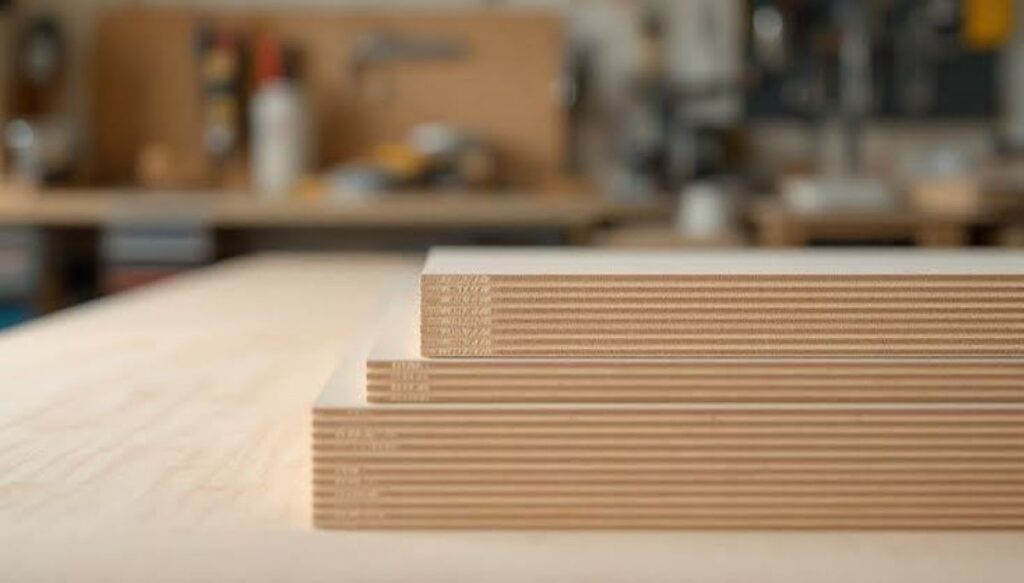
They should have storage ready before the truck arrives. Flat, level bearers, off the ground, and under cover. Not leaning against a fence in the sun.
In Australian summers, heat can bow sheets if they are stored poorly. In winter, trapped moisture can do the same. If they are spending on Formply, they should treat it like finish material, not like scrap timber. Check out more about how to construct and evaluate furniture prototypes and samples.
Are the accessories and consumables sorted at the same time?
They should line up release agents, edge seal, fixings, and cleaning gear in the same procurement run. The sheet alone does not guarantee a clean strike.
For Formply, the wrong release agent can stain faces or affect the concrete finish. They should check compatibility and usage rates, then order enough for the pour cycle. Running out mid job often leads to shortcuts, and shortcuts show up in the concrete.
What terms, returns policy, and defect checks will protect them?
They should inspect packs on arrival and document issues immediately. Photos help. Delivery dockets help. Silence helps nobody.
If the Formply arrives with face bubbles, broken corners, or clear delamination, they should not just “make it work” unless they accept the outcome. They should also ask the supplier how they define defects and what the process is for replacements.
Are they comparing like for like when shopping around?
They should compare specification, not just price per sheet. Two products can both be called Formply and perform very differently.
They should check thickness tolerance, film weight, edge sealing, core quality, and compliance markings. They should also factor delivery costs into the real price, especially for longer runs to places like Cairns, Townsville, or regional WA where freight can change the deal entirely.
What should they confirm in writing before they finalise the order?
They should get a written confirmation of product description, grade, thickness, sheet size, quantity, delivery date, and any special requirements. Verbal agreements disappear the moment something goes wrong.
For Formply, written detail is how they avoid arguments later. It also helps their project manager, their formwork contractor, and their concreter stay aligned. One clear order summary can save days of messy back and forth.
See Also : The Practical Case for Formply
How can they keep the whole process simple without cutting corners?
They should pick a supplier who communicates clearly, delivers when they say they will, and stands behind the stock. It is boring advice, but it wins jobs.
When arranging Formply, they should focus on fit for purpose, compliance, handling, and timing. If those four are covered, the rest is usually manageable. And if one of those is vague, it is a sign to pause before buying.
FAQs (Frequently Asked Questions)
What factors should I consider when selecting Formply for different construction uses?
You should first lock in the end use because the right Formply for a slab edge might not suit internal stair formwork or feature pours. If appearance matters, specify this upfront. Purpose influences thickness, finish class, and tolerance for face defects, so choose accordingly to match structural needs or aesthetic requirements.
How do I determine the optimal Formply sheet size and thickness to minimise waste on site?
Start with your formwork design and work backwards rather than guessing. While standard sheet sizes are common across Australia, cutting plans vary by crew and project. Larger sheets reduce joins but may be harder to handle; smaller sheets ease tight access but may increase joints. Consider site access and handling to prevent damage and waste.
Why is it important to verify Australian Standards compliance when ordering Formply?
Formply must meet AS/NZS 2269 standards for plywood used in formwork to ensure structural integrity. Request compliance details in writing, including grade, bond type, and intended application. Suppliers unable to clarify these pose a risk; cheap sheets that delaminate after exposure can cost more due to reorders and delays.
What surface quality should I expect from Formply for achieving a quality concrete finish?
Decide how the concrete finish needs to look. A smooth film face typically yields a cleaner concrete surface but requires careful handling and correct release agents. For architectural concrete, inquire about face class, patching, visible joints, and whether both sides are film faced since some panels have one utility side only.
How many times can Formply be reused under Australian site conditions?
Reusability depends on site conditions and care. In humid areas like Brisbane or coastal NSW, improper storage or unsealed edges reduce lifespan. Good Formply can be reused multiple times if cleaned properly, stripped carefully, and stacked correctly. If your crew is rough on equipment, budget for fewer reuse cycles accordingly.
What storage practices keep Formply flat and in good condition on site?
Prepare storage before delivery: keep sheets flat on level bearers off the ground and under cover—not leaning against fences or exposed to sun. Australian summers can cause heat bowing; winters may trap moisture causing warping. Treat Formply like finish material rather than scrap timber to preserve usability and appearance.
