
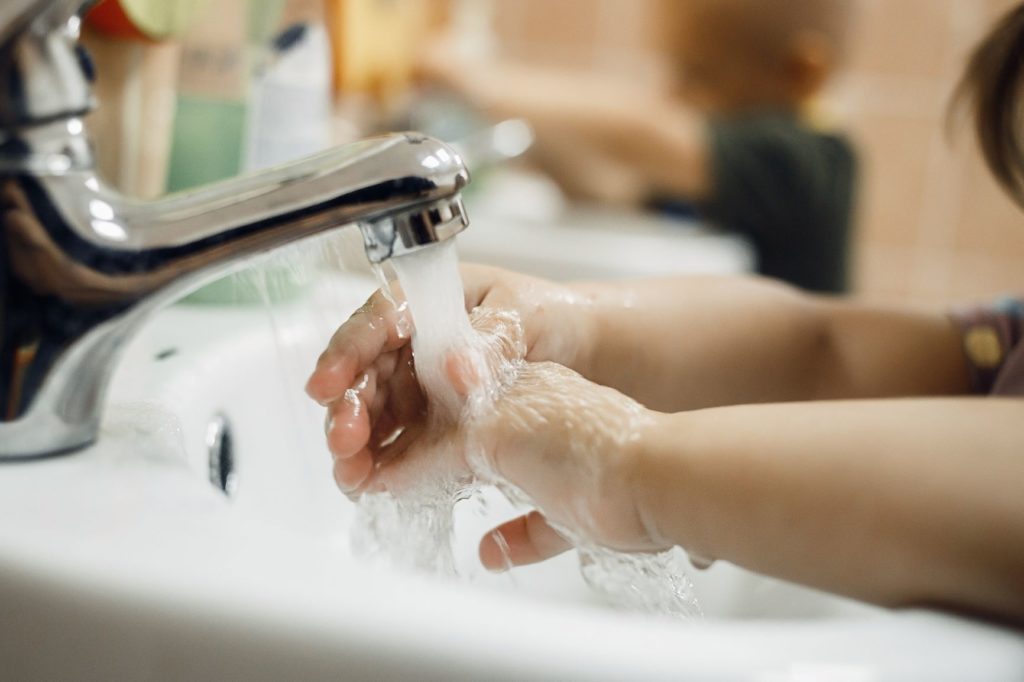
For cleaning providers working in childcare settings, the key point is this. They are operating inside someone else’s regulated environment. Even if a cleaner is not the approved provider of the centre, their work can still affect the centre’s compliance, assessment and rating, and even whether a service is considered safe.
Below are five major regulations and regulatory frameworks that shape how childcare cleaning services are expected to operate in NSW. Not every rule is written specifically for cleaners. But they still apply to them in practice, because they control what the centre must achieve, and cleaning is a big chunk of that.
What does the National Law and National Regulations require around hygiene and safety?
In NSW, childcare services are governed by the Education and Care Services National Law (NSW) and the Education and Care Services National Regulations. These create the baseline expectations for health, hygiene, and safety across early childhood education and care.
For cleaning services, the relevant impact is pretty direct. Services must ensure premises and equipment are clean and in a safe condition, and that hygiene practices reduce the risk of infectious disease spreading.
So what does that mean in real life for cleaners?
They are expected to support routines that align with the service’s policies. Things like:
- cleaning and disinfecting high touch areas at the right frequency
- bathrooms being maintained to a hygienic standard through the day
- nappy change areas being cleaned using correct methods
- kitchens and food prep areas being treated differently to general rooms
- ventilation and safe storage of chemicals being respected
It also means cleaners should not do “their own system” if it conflicts with the centre’s procedures. If the service has a documented cleaning schedule for compliance, and a cleaning contractor ignores it or swaps products without approval, it can create a gap the centre has to answer for.
How do the National Quality Framework and the NQS influence cleaning expectations?
The National Quality Framework (NQF) and the National Quality Standard (NQS) are what services are assessed against. Cleaning companies are not being rated themselves. But their work shows up in the environment that gets assessed.
The big one here is Quality Area 2: Children’s Health and Safety, especially the parts dealing with hygiene and illness management. There is also overlap with the physical environment under Quality Area 3.
In practice, assessors do not just look for “clean”. They look for whether the space looks maintained, whether routines seem consistent, whether bathrooms smell and present well, whether handwashing areas are stocked and functional, whether bins are managed properly, whether there are visible risks.
Cleaning teams who work well in childcare environments usually do a few quiet things consistently:
- they clean to a schedule that matches peak contamination times
- they use methods that reduce cross contamination, like colour coded cloths
- they document what they did if the centre requires it
- they flag maintenance issues, not just wipe around them
Because when a centre is assessed, the story matters. A spotless room one morning does not help if the centre cannot show consistent systems. A cleaner who can support that consistency, not just a “once over”, makes the service’s life easier.
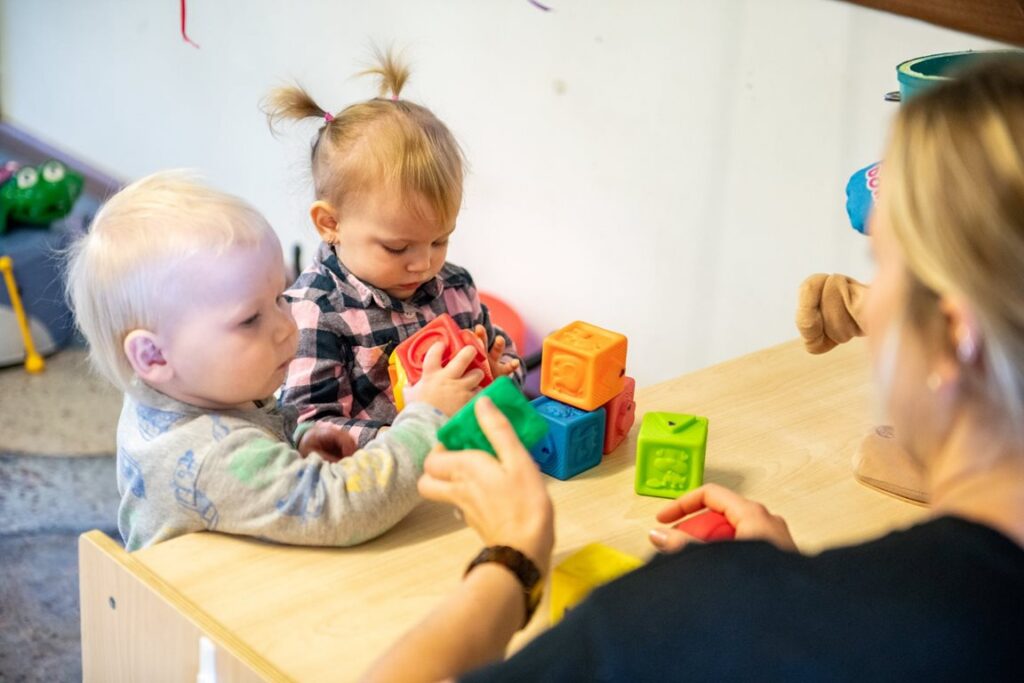
What obligations come from SafeWork NSW and work health and safety laws?
Childcare cleaning is still a workplace, and NSW workplace rules still apply. The key framework is the Work Health and Safety Act 2011 (NSW) and WHS Regulation 2017 (NSW), enforced by SafeWork NSW.
This matters because cleaning involves chemicals, slips, manual handling, biohazards, and sometimes working around children and educators. Even if cleaners are contractors, they still have duties, and so does the centre as the workplace they operate in.
Common compliance pressure points include:
- chemical handling and storage, including having Safety Data Sheets available
- risk controls for wet floors, trip hazards, and cord management
- PPE where required, especially for bathrooms and bodily fluid clean ups
- manual handling for bins, mops, and moving furniture
- incident reporting, if a chemical spill or exposure happens
WHS is also where cleaning providers can get caught out with “common sense” habits. For example, decanting chemicals into unlabelled bottles might be fast, but it is a safety and compliance issue. Same with leaving a trolley unattended in a hallway where children move through.
If they want to work in childcare long term, they usually need a simple, consistent WHS system that fits childcare conditions, not just office cleaning conditions.
How do NSW public health and infection control expectations affect childcare cleaning?
NSW health related expectations often flow through a mix of public health guidance, communicable disease controls, and the service’s illness and infection control policies. Childcare services are expected to manage illness risk, outbreaks, and hygiene routines. Cleaning is part of that ecosystem, even if the centre carries the official responsibility.
In practical terms, cleaning providers need to understand that childcare environments are high transmission spaces. Not because they are “dirty”, but because children touch everything, share toys, and are still learning hygiene habits.
This tends to increase expectations around:
- disinfecting high touch points like door handles, taps, rails, light switches
- correct cleaning of soft furnishings, mats, and play areas
- toy and equipment cleaning routines, where agreed with the service
- proper bathroom sanitation frequency, not just end of day
- managing vomit and bodily fluid incidents using appropriate processes
During heightened illness periods, like gastro outbreaks, centres may also require an uplift in cleaning frequency and specific disinfectant use. The key for cleaners is not guessing. It is aligning with the centre’s infection control plan, and using products that are suitable for childcare settings. This is where childcare centre cleaning services play a critical role in supporting health and safety requirements.
Also worth saying plainly. Overuse of harsh chemicals is not automatically “better”. Childcare cleaning has to balance germ control with exposure risk. Which leads into product selection and safe use.
What rules apply to cleaning chemicals, labelling, and product safety in childcare settings?
Chemical safety in NSW workplaces is tied to WHS laws, but in childcare it becomes extra sensitive because of children’s exposure. Centres typically require that chemicals are:
- stored securely, out of children’s reach
- clearly labelled
- used in a way that avoids residues on play surfaces
- not mixed, not decanted into random bottles, not left unattended
Many services also prefer or require low tox or fragrance free products, especially in nurseries. Not as a marketing trend, but because strong fumes can trigger reactions and because children are closer to surfaces.
For cleaning contractors, this usually means they should:
- provide a clear list of products they intend to use
- supply Safety Data Sheets on request, ideally proactively
- follow dilution instructions accurately, not “a bit extra for strength”
- ensure their team knows which areas require food safe practices
- keep chemicals on their person or locked away when on site
If a centre has their own policy about approved products, the cleaner cannot just override it. That is where contractors can accidentally create compliance risk for the service.
Final notes they should not skip
Childcare cleaning in NSW is shaped by multiple layers of regulation. Some of it is direct, some of it is indirect, but it all lands in the same place. A childcare service must provide a safe, hygienic environment, and they need cleaning providers who can support that consistently.
The best cleaning teams in this space do not just clean. They fit into the service’s compliance systems, respect policies, document where needed, and treat chemical and infection control choices like the serious issues they are. Because in childcare, they are.
FAQs (Frequently Asked Questions)
What are the key hygiene and safety requirements for childcare cleaning under the National Law and National Regulations in NSW?
Under the Education and Care Services National Law (NSW) and National Regulations, childcare services must ensure premises and equipment are clean and safe to reduce infectious disease risk. Cleaners are expected to follow the service’s documented cleaning schedules, disinfect high-touch areas regularly, maintain hygienic bathrooms throughout the day, use correct methods in nappy change areas, treat kitchens differently from general rooms, respect ventilation standards, and safely store chemicals. Deviating from the centre’s procedures can create compliance issues.
How do the National Quality Framework (NQF) and National Quality Standard (NQS) impact cleaning practices in childcare centres?
The NQF and NQS set assessment criteria for childcare centres, particularly under Quality Area 2: Children’s Health and Safety. Cleaning work directly influences these assessments as assessors look beyond cleanliness to consistent maintenance, hygiene routines, well-stocked handwashing areas, proper bin management, and visible risk controls. Effective cleaning teams align with peak contamination times, use colour-coded cloths to prevent cross-contamination, document their activities if required, and report maintenance issues, supporting the centre’s consistent compliance system.
What workplace health and safety obligations apply to childcare cleaners in NSW?
Childcare cleaning falls under the Work Health and Safety Act 2011 (NSW) and WHS Regulation 2017 (NSW), enforced by SafeWork NSW. Cleaners must manage chemical handling with Safety Data Sheets available, control risks like wet floors and trip hazards, use Personal Protective Equipment (PPE) especially during bodily fluid cleanups, practice safe manual handling of equipment, and report incidents promptly. Both cleaners and childcare centres share duties to maintain a safe workplace environment compliant with WHS laws.
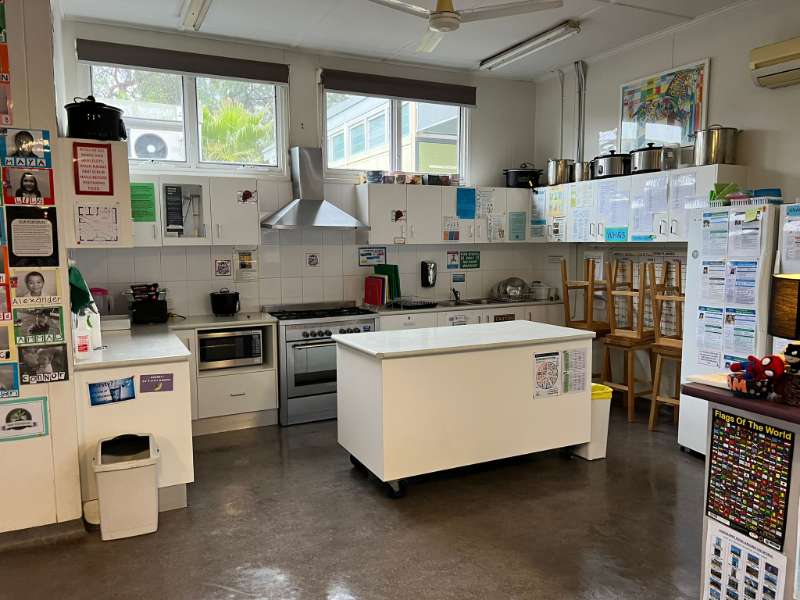
How do public health guidelines influence infection control expectations for childcare cleaning services?
NSW public health guidance requires childcare services to manage illness risks through rigorous infection control policies. Cleaning providers must recognize that children’s environments are high transmission spaces due to shared toys and close contact. This leads to heightened expectations such as frequent disinfection of high-touch points (door handles, taps), proper cleaning of soft furnishings and play areas, agreed-upon toy sanitation routines, regular bathroom sanitation beyond end-of-day cleaning, and appropriate handling of vomit or bodily fluids especially during outbreaks.
Why is it important for childcare cleaners to follow the centre’s specific cleaning procedures rather than their own methods?
Childcare cleaners operate within regulated environments where hygiene practices directly affect compliance with legal standards. Using unapproved products or altering cleaning schedules can create gaps that compromise a centre’s assessment rating or safety status. Adhering strictly to documented procedures ensures consistent hygiene standards are met, supports infection control protocols, maintains child safety, and helps centres demonstrate compliance during regulatory assessments.
What practical steps can cleaning teams take to support compliance with childcare regulations in NSW?
Cleaning teams should implement scheduled cleaning aligned with peak contamination periods; employ methods that minimize cross-contamination such as colour-coded cloths; maintain thorough documentation if required by the centre; promptly report maintenance issues instead of just cleaning around them; safely handle chemicals with proper storage; use appropriate PPE; manage waste correctly; ensure bathrooms are hygienic throughout operating hours; and adapt cleaning intensity during illness outbreaks. These steps collectively uphold hygiene standards crucial for child safety and regulatory compliance.
Click here What’s Included in a Weekly Commercial Cleaning Plan for Parramatta Businesses
