
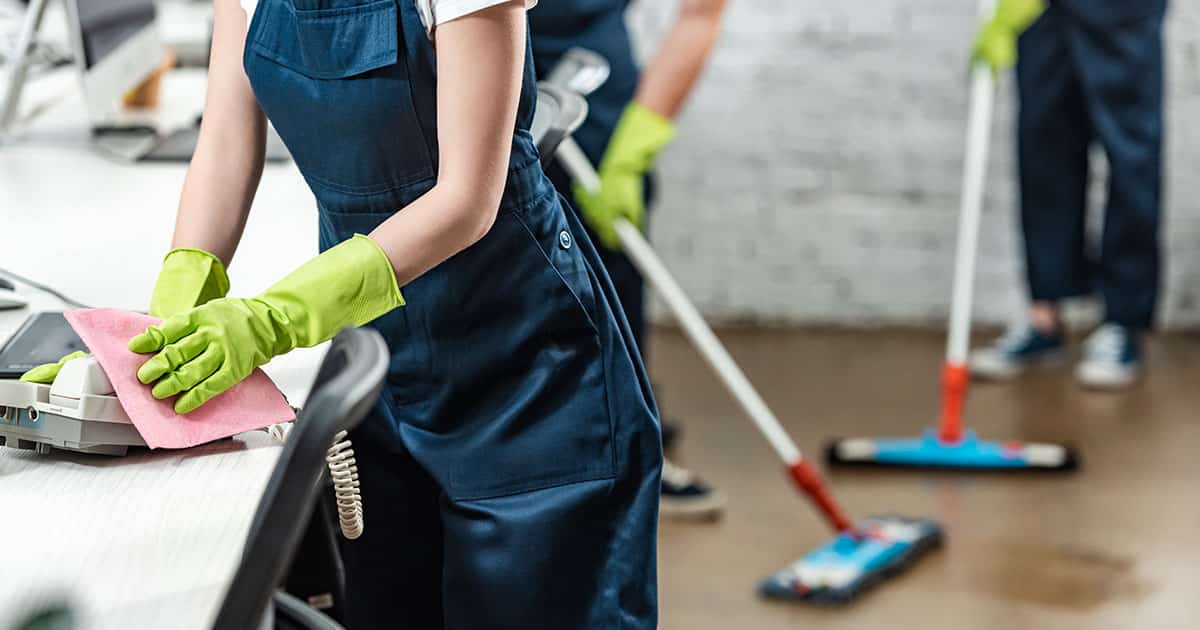
A proper weekly plan is basically a checklist, yes, but it’s also a rhythm. It covers the obvious stuff, plus the things people only notice when they are not done.
What does a weekly commercial cleaning plan usually cover at a high level?
Most weekly plans are built around the same core areas, then adjusted based on the type of business. An office in Parramatta Square won’t need the same attention as a medical suite or a gym, but the bones are similar. This is a common approach used in commercial cleaning parramatta programs where service schedules are tailored to operational requirements.
A typical weekly commercial clean includes:
- Reception and common areas: floors, touchpoints, visible dust, general presentation
- Work areas: desks where allowed, partitions, meeting rooms, floors
- Kitchens and break areas: sinks, benches, appliance exteriors, tables, bins
- Bathrooms: toilets, urinals, basins, mirrors, dispensers, floors, restocking checks
- Waste removal: internal bins emptied, liners replaced, waste moved to the main disposal area
- Spot cleaning: marks on walls, glass smudges, obvious spills, high touch points
Then there are the “weekly rotation” tasks that might not happen every visit, but get scheduled across the month. Things like deeper glass work, skirting boards, vents, and detail dusting.
Which areas get cleaned every week no matter what?
Some areas are non negotiable because they affect hygiene and first impressions fast.
Bathrooms are the big one. A weekly plan usually includes disinfecting toilets and basins, cleaning mirrors, wiping fittings, mopping floors, and checking consumables. Even when a site has low foot traffic, bathrooms can still smell stale or build up grime in corners, so they get priority.
Kitchens and tea points also get consistent attention. Cleaners typically wipe benches and cupboard fronts, clean sink areas, remove obvious grime around taps, and clean the outside of appliances like microwaves and fridges. Floors are vacuumed and mopped, bins are emptied. If the business has a lot of staff, this space can go downhill in two days, honestly.
Entry points and reception are another weekly must. It’s the “this place is cared for” signal. That includes vacuuming or mopping floors, removing visible dust, wiping counters, cleaning internal glass where needed, and spot cleaning marks.

How are desks and workstations handled in an office setting?
This is where it gets a bit sensitive, because not every business wants cleaners touching desks. Weekly plans usually offer two approaches:
- Light touch desk cleaning
- They wipe only clear surfaces, no moving personal items, and avoid papers completely. This is common in shared offices and hot desking environments.
- No desk policy (floors and general only)
- They focus on floors, bins, and touchpoints like door handles and light switches, but leave desks alone unless asked.
In both cases, vacuuming (and sometimes mopping hard floors) is standard. Meeting rooms are usually included too, because they’re client facing and people notice dusty tables or crumbs pretty quickly.
What floor cleaning is included in a weekly plan?
Floors are usually the bulk of the time on site, because they make up most of the visible area.
A weekly plan generally includes:
- Vacuuming carpeted areas, including under accessible furniture edges
- Mopping hard floors, especially kitchens, bathrooms, and entry areas
- Spot treatment for spills or sticky patches (within reason)
- Edge work around skirting boards where dust builds up
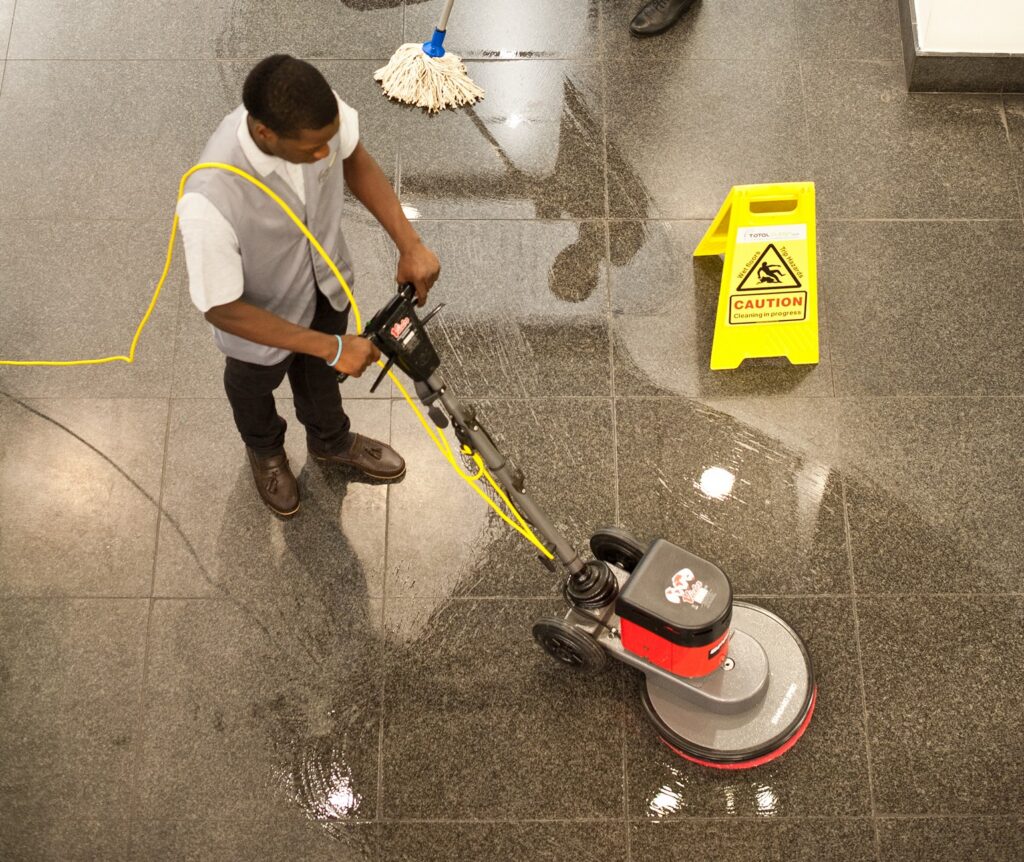
More specialised services like machine scrubbing, buffing, or carpet steam cleaning are normally scheduled separately, either monthly, quarterly, or as an add on. Weekly cleaning keeps floors presentable. Deep restoration is a different job.
What bathroom and hygiene restocking checks are typically part of the visit?
Even if the cleaning company is not supplying consumables, many weekly plans include a basic check of:
- Toilet paper levels
- Hand soap levels
- Paper towel supply (if used)
- Sanitary bin condition (if present)
If the cleaner supplies consumables, they’ll restock and record usage. If the business supplies them, cleaners may leave a note when stock is low. That simple habit prevents those awkward moments where staff are hunting for a spare roll like it’s a treasure hunt.
What “detail” tasks are often included weekly or rotated in?
This is the stuff that separates a quick clean from a plan that actually holds up over time.
Depending on the site, weekly or rotating tasks can include:
- Dusting lower ledges, window sills, frames, accessible skirting
- Wiping high touch points like switches, handles, lift buttons (if applicable)
- Internal glass spot cleaning, especially around entries and meeting rooms
- Cleaning kitchenette splashbacks and greasy fingerprints on cupboards
- Removing cobwebs in corners and along ceilings (where reachable)
A lot of cleaning companies will do these on a rotation because doing everything every week can blow out the time. The important part is that it’s agreed and tracked. Otherwise those “little things” quietly build into the grimy layer everyone pretends not to see. A structured commercial cleaning schedule helps ensure periodic tasks are completed consistently.
What add ons do Parramatta businesses commonly include with weekly cleaning?
Parramatta is a mix of corporate offices, clinics, retail, education, and hospitality. Their add ons tend to match that.
Common extras include:
- Deep carpet cleaning (scheduled monthly or quarterly)
- Window cleaning for street facing glass and partitions
- Hard floor machine scrubbing for higher traffic sites
- High dusting for vents, exposed beams, and ledges
- Sanitising focus for clinics, childcare, and fitness spaces
- After hours or early morning scheduling to avoid disruption
Some businesses also want consumables management bundled in, so they stop thinking about soap and paper products entirely. It’s not glamorous, but it’s one less moving part.
How do they tailor the plan to different business types?
A solid cleaning provider won’t use the exact same checklist everywhere. They’ll usually adjust based on use, risk, and visibility.
- Offices: focus on floors, meeting rooms, kitchens, bathrooms, touchpoints
- Medical and allied health: stronger disinfecting routines, stricter bathroom and waiting room attention
- Retail: entry glass, floors, fitting rooms, presentation focused details
- Gyms: sweat zones, disinfecting touch surfaces, odour control, bathrooms
- Strata and common areas: lobbies, lifts, stairwells, bin rooms, spot cleaning walls
The weekly plan is still a weekly plan. But the emphasis shifts.
What should they expect from a good cleaning checklist and communication process?
The best weekly cleaning plans are boring in a good way. Predictable. They show up, they do the work, there’s a clear standard, and issues get flagged early.
They should expect:
- A written scope of work that lists what’s included and what isn’t
- A clear schedule for rotation tasks
- A simple way to report issues and get follow up
- A note when something is out of scope, like water damage, mould, pest issues, or heavy staining
- Consistency, meaning the site looks the same level of clean each week, not a surprise every time
And if the business is growing, or changing hours, or moving furniture around, the cleaning plan should adapt. Weekly cleaning only works long term when it keeps up with reality.
What’s the simplest way to think about a weekly commercial cleaning plan?
For Parramatta businesses, weekly cleaning is usually a mix of hygiene, presentation, and maintenance. Bathrooms and kitchens get done every time. Floors and bins are handled as standard. Then the plan adds a rotation of detail tasks so the place doesn’t slowly decline.
If they want it to feel like a consistently professional workplace, not just “clean enough”, they’ll want a plan that’s written down, tailored, and checked. That’s the difference.
FAQs (Frequently Asked Questions)
What does a typical weekly commercial cleaning plan cover in Parramatta businesses?
A typical weekly commercial cleaning plan in Parramatta covers core areas such as reception and common areas, workspaces, kitchens and break areas, bathrooms, waste removal, and spot cleaning. It also includes weekly rotation tasks like deeper glass work, skirting boards, vents, and detailed dusting to maintain a consistently clean and cared-for environment.
Which areas are cleaned every week regardless of business type?
Bathrooms, kitchens and tea points, and entry points including reception areas are non-negotiable weekly cleaning zones. These spaces receive thorough attention to hygiene and presentation, including disinfecting toilets and basins, wiping benches and appliance exteriors, vacuuming or mopping floors, emptying bins, and spot cleaning visible marks.
How are desks and workstations handled during weekly office cleaning?
Weekly office cleaning plans typically offer two approaches for desks: a light touch desk cleaning where only clear surfaces are wiped without moving personal items or papers; or a no desk policy focusing on floors, bins, and touchpoints without touching desks unless requested. Meeting rooms are generally included due to their client-facing nature.
What floor cleaning tasks are included in a weekly commercial cleaning plan?
Weekly floor cleaning usually involves vacuuming carpeted areas including under accessible furniture edges, mopping hard floors especially in kitchens, bathrooms and entryways, spot treating spills or sticky patches within reason, and edge work around skirting boards to remove dust buildup. More specialized deep floor care is scheduled separately.
What bathroom restocking checks are typically part of a weekly commercial cleaning visit?
Weekly visits often include checking toilet paper levels, hand soap supply, paper towel availability if used, and sanitary bin conditions. Cleaners may restock consumables if supplied by them or leave notes when stock is low if the business provides these items to prevent shortages during busy times.
What detail tasks are included weekly or on rotation in commercial cleaning plans?
Detail tasks that enhance overall cleanliness include dusting lower ledges and window sills, wiping high touch points like switches and handles, internal glass spot cleaning especially near entries and meeting rooms, cleaning kitchenette splashbacks from grease or fingerprints, and removing cobwebs from reachable corners. These tasks may be rotated to manage time effectively while maintaining standards.
Click here 5 Regulations Governing Childcare Cleaning Services in New South Wales
