
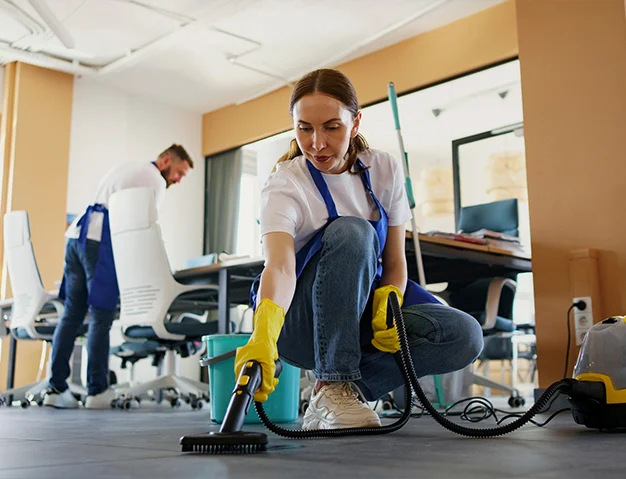
Commercial cleaning in these towers is not just about making things look nice. It is about keeping the building operational. Tenants expect consistency. Visitors notice details. And cleaners are working around lifts, security desks, loading docks, and a hundred little building rules that change from site to site.
What makes high-rise office cleaning different from regular commercial cleaning?
The biggest difference is the building itself. High rises are vertical workplaces, and that changes everything.
They have lift dependency, meaning timing matters. If cleaners miss a lift window, jobs run late and teams get stuck. They also have stricter security, often with access cards, sign ins, and camera monitored zones. Some levels are shared, some are private, some are after hours only. It is not a simple walk in and start.
Then there is the scale. A small office might have one kitchen and two bathrooms. A tower can have multiple amenities per floor, shared end-of-trip facilities, breakout zones, boardrooms, phone booths, and reception areas that cannot look messy for even five minutes. This is why commercial cleaning north sydney services often require structured cleaning schedules and larger resource allocations.
What cleaning tasks do North Sydney towers usually need every day?
Daily work is the backbone. It is the part everyone notices when it is not done.
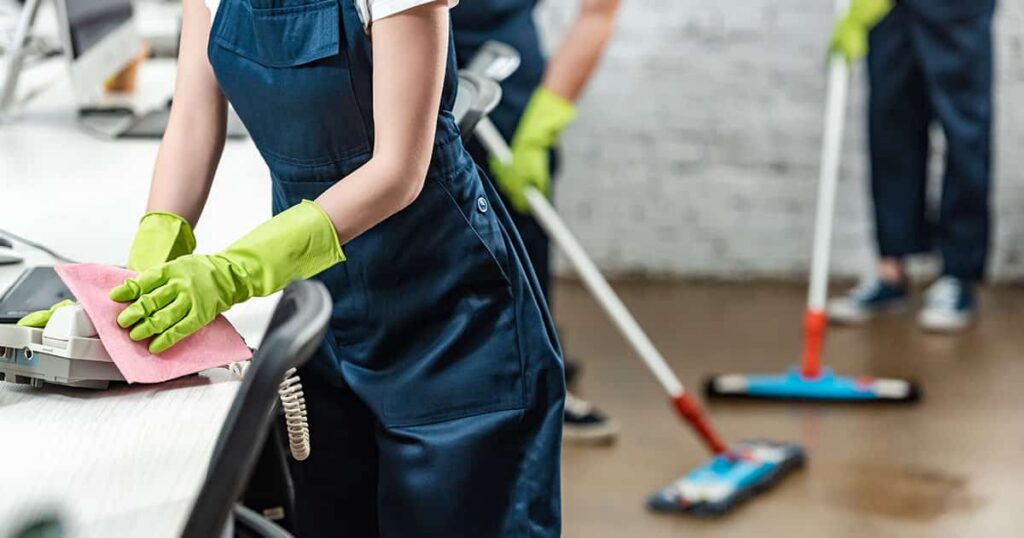
Most high rise offices need daily cleaning for toilets, kitchenettes, and bins. Not just emptying, but proper wipe downs, restocking consumables, and keeping odours under control. Touchpoints matter too. Door handles, lift buttons within tenancies, tap handles, shared meeting room tables, appliance buttons. These get hit all day.
Floors are another constant. Entry mats need shaking out or vacuuming. Hard floors need spot mopping. Carpets need regular vacuuming with decent equipment, not the cheap kind that just drags lint around.
And then there is presentation cleaning. Reception, client meeting rooms, glass partitions, and breakout areas need a quick reset so they look like nobody has been there, even when they have.
How do building access and security rules affect the cleaning plan?
They shape the entire schedule.
Most towers in North Sydney have controlled entry after hours. Cleaners may need to sign in, show ID, wear passes, and follow exact routes. Some buildings restrict trolley movement during peak times. Some only allow contractor access through loading docks. Some require lift bookings for moving equipment. It is a lot.
This is why good operators plan around building management, not against them. They build a method that fits the site. They also document it. Who has keys, who has swipe access, what areas are out of bounds, what to do if an alarm triggers, who to call if a spill happens in a shared lobby.
If their cleaning team is not briefed properly, it turns into noise, complaints, and eventually, a contract review.
What standards are expected for bathrooms, kitchens, and shared amenities?
These spaces are where complaints start, fast.
Bathrooms in high rise offices need more than a quick wipe. They need disinfection, scale control, odour prevention, and restocking that does not run out mid day. Many towers also have shared end of trip facilities, which means showers, lockers, hair and body product residue, damp floors, and higher slip risk.
Kitchens are another pain point. Staff leave crumbs, coffee spills, and food waste. Microwaves and fridges get messy. Benchtops get sticky. If cleaners do not handle this daily, pests show up. And once pests appear in a tower, it becomes a building wide conversation.
Shared amenities like breakout areas and shared meeting rooms also need routine resets. Tables, chairs, screens, whiteboards, and soft seating can look tired quickly. A quick vacuum is not enough if crumbs and marks are left behind.
How do they handle glass, façade, and window cleaning in high-rise offices?
They treat it as a separate program, because it usually is.
Internal glass, like partitions and meeting room walls, needs frequent detailing. Fingerprints build up quickly in modern fit outs. External windows and façade glass are more complex. They require specialist height access and proper compliance. Rope access, boom lifts, building maintenance units, each building has its own system and its own approvals.
The key is coordination. External works need to align with building schedules, weather, and tenant needs. Nobody wants a window crew blocking light during a board meeting. So the best cleaning plans set expectations early. They define frequency and scope, not just vague promises like “monthly windows”.
What equipment and products actually work for tower environments?
High rise cleaning needs gear that can move and perform quietly.
Backpack vacuums are common because they are efficient in corridors and under desks. Scrubbers may be needed for larger hard floor areas, but only if they can be transported safely via lifts. Microfibre systems matter, not because it sounds fancy, but because it reduces chemical use and improves results on glass and touchpoints. These considerations are important when selecting commercial cleaning equipment solutions for large facilities.
Products should be chosen for safety and indoor air quality, especially in enclosed floors with limited ventilation after hours. Strong smelling chemicals can cause morning complaints. They also need the right disinfectants for high touch areas and bathrooms, plus proper dilution control. Too strong wastes money and irritates surfaces. Too weak does nothing.
And yes, consumables management is part of equipment. Dispensers, soap cartridges, paper stock, bin liners. If they run out, cleaning looks like it failed even if everything else is spotless.
How do they minimise disruption for tenants working late or early?
They move like they are not there. That is the goal.
Many North Sydney offices run late. Some start early. Cleaning teams need to work around people on calls, teams finishing presentations, and executives still in meeting rooms. That means quieter vacuums, staged cleaning, and basic awareness.
It also means communication. If a floor has a late night event, the cleaning schedule changes. If a boardroom is booked until 9 pm, it gets cleaned at 9.15, not barged into at 8.45. These little adjustments stop complaints and keep relationships stable.
A good provider also uses checklists and sign offs, but not in a rigid way. More like a rhythm. Clean the floor, check the details, lock up, report issues. No drama.
What should they look for when choosing a commercial cleaning provider in North Sydney?
They should look for operators who understand towers, not just offices.
That means proven systems for access, security, and after hours work. It means reliable staffing, because high rise cleaning falls apart when there is constant turnover. It means a supervisor who inspects, not just ticks boxes. And it means clear scopes that match how the building is actually used.
They should ask how issues are logged and resolved. How fast. How often inspections happen. Who their point of contact is. How consumables are tracked. Whether cleaners are trained for safety, including chemical handling and slip prevention.
Most of all, they should look for consistency. A tower does not need one perfect clean. It needs five solid cleans every week, with the same standard, even when it is raining, even when lifts are busy, even when half the floor is under a deadline.
That is what high rise offices require. Not magic. Just a cleaning plan that fits the building and people who actually follow it.
FAQs (Frequently Asked Questions)
What makes high-rise office cleaning in North Sydney different from regular commercial cleaning?
High-rise office cleaning in North Sydney is distinct due to the vertical nature of the buildings, requiring lift dependency and precise timing. There are stricter security measures like access cards and sign-ins, varied access levels including shared and private spaces, and a larger scale with multiple amenities per floor. Cleaners must navigate complex building rules and work quietly around lifts, security desks, and loading docks.
What are the essential daily cleaning tasks for high-rise offices in North Sydney?
Daily cleaning tasks include thorough cleaning of toilets, kitchenettes, and bins with proper wipe downs, restocking consumables, and odour control. High-touch points such as door handles, lift buttons, tap handles, meeting room tables, and appliance buttons require frequent disinfecting. Floors need attention through entry mat shaking or vacuuming, spot mopping hard floors, and regular vacuuming of carpets. Reception areas and client meeting rooms also require quick resets to maintain a pristine appearance.
How do building access and security rules impact cleaning schedules in North Sydney towers?
Building access and security protocols significantly shape cleaning schedules. Cleaners often need to sign in, display ID badges, use passes, follow designated routes, and may face restrictions on trolley movement during peak times. Some buildings mandate lift bookings for equipment movement or limit contractor access to loading docks. Effective cleaning plans are developed in coordination with building management to comply with these rules and ensure smooth operations without complaints.
What standards are expected for bathrooms, kitchens, and shared amenities in North Sydney high-rises?
Bathrooms require more than surface cleaning; they need disinfection, scale control, odour prevention, and consistent restocking throughout the day. Shared end-of-trip facilities demand attention to damp floors and slip risks due to showers and lockers. Kitchens must be cleaned daily to handle crumbs, spills, sticky benchtops, microwaves, fridges, and prevent pest infestations. Shared amenities like breakout areas and meeting rooms require routine resets including wiping tables, chairs, screens, whiteboards, and vacuuming soft seating to maintain a fresh look.
How is glass façade and window cleaning managed in high-rise office towers?
Glass cleaning is treated as a separate program involving frequent detailing of internal glass partitions to remove fingerprints. External windows and façade glass require specialist height access methods such as rope access or boom lifts with strict compliance. Coordination with building schedules is critical to avoid disruptions during tenant activities like board meetings. Cleaning plans specify frequency and scope clearly rather than vague promises to ensure tenant satisfaction.
What equipment and products are most effective for cleaning high-rise offices in North Sydney?
Effective equipment includes backpack vacuums for quiet mobility in corridors and under desks; scrubbers for large hard floor areas that can be safely transported by lifts; microfibre systems that reduce chemical use while enhancing results on glass surfaces; safe products that maintain indoor air quality without strong odors; appropriate disinfectants with correct dilution for touchpoints; plus reliable consumables management including dispensers, soap cartridges, paper stock, and bin liners to ensure uninterrupted service quality.
Click here 5 Regulations Governing Childcare Cleaning Services in New South Wales
